
Truth
Matters


The Responsibility to Act
Reconciliation must be built into how organizations operate.
WHY WE DO IT
Because the future of a community should never be an afterthought in the decisions shaping its land, people and opportunities.
Indigenous economic development and meaningful relations are inseparable from human dignity, self-determination, cultural continuity and the ability of future generations to shape their own futures. These responsibilities cannot be fulfilled through a statement of support alone.
We believe organizations have a responsibility to move beyond intention and examine the structures, commercial decisions and everyday practices through which trust is either built or eroded. Our work is grounded in respect for Indigenous leadership, rights and knowledge, and in the belief that lasting progress requires shared accountability—not symbolic commitments.
Different responsibilities. Shared possibilities.
Effective reconciliation requires approaches responsive to the roles, rights, aspirations and responsibilities of the people and organizations involved.
Corporations & Organizations
Embed reconciliation into your operating model.
For mining, natural resources, infrastructure, construction, public institutions and other organizations seeking to align their governance, relationships, workforce and business practices with Call to Action 92 and relevant UNDRIP principles.
Indigenous Nations, Communities & Enterprises
Advance community-defined economic priorities.
Support for community-directed planning, economic participation, workforce development, organizational capacity and partnerships, guided by local priorities and Indigenous leadership.
Beyond the CommitmentReflective Self-Assessment
Call to Action 92 asks organizations to move beyond declarations of support. Explore whether Indigenous rights, meaningful relationships, equitable opportunity and accountability are reflected in how your organization operates.
How to complete the assessment
Use this assessment to identify possible gaps in your organization’s plan for implementing Truth and Reconciliation Call to Action 92.
Answer 15 questions across five areas. For each question, choose the response that best reflects what your organization currently does. If you lack enough information to answer, select “I don’t know.” At the end, review your results to identify where to gather more information or strengthen your plan.
- Relationships & engagement
- Economic participation
- Learning & capability
- Governance & decisions
- Evidence & accountability
WHAT WE DO
We build the organizational capability to turn reconciliation commitments into operating reality.
TeamsynerG combines strategic advisory, organizational design, Indigenous relations, workforce and economic development, learning and digital implementation support. We help clients move from high-level commitments toward the decisions, processes, resources and accountabilities needed for consistent action.
INDIGENOUS RELATIONS
Build relationships with substance.
Relationship strategies, engagement protocols, consultation and consent-related process support, partnership governance and mechanisms for ongoing dialogue and respectful decision-making.
ECONOMIC DEVELOPMENT
Make participation possible.
Indigenous procurement and supplier pathways, economic participation strategies, community benefit and agreement implementation, entrepreneurial opportunities and equitable access to contracts.
ORGANIZATIONAL INTEGRATION
Build responsibility into the system.
Governance design, Board and executive accountability, policy and operating procedure development, departmental coordination and implementation project management.
WORKFORCE & CAPABILITY
Create opportunity that extends forward.
Indigenous workforce strategies, skills development, leadership education, cultural competency, equitable career pathways, knowledge transfer and internal capacity building.
Call to Action 92 | What we deliver
From commitment to operational practice.
Four areas of specialized consulting and training that help organizations build Indigenous relations, equitable opportunity and lasting outcomes into their management operating systems.

Expertise in action
Indigenous Education & Skills-Based Training
- Indigenous intercultural competency.
- Conflict resolution and relationship management.
- Human rights and anti-racism.
- Indigenous cultural safety.
Select another service to explore
We help organizations embed these capabilities into their people, processes and management operating systems.
Explore our consulting approachTruth and
Reconciliation
assesment


Two Foundations · One Responsibility
From principles to practice.
Call to Action 92 sets out a specific corporate responsibility in the Canadian reconciliation context. UNDRIP articulates international standards for the rights and self-determination of Indigenous Peoples. Together, they inform a more accountable approach to organizational decisions.

Business and Reconciliation
TRUTH AND RECONCILIATION COMMISSION OF CANADA 92
Meaningful consultation and respectful relationships; free, prior and informed consent; equitable access to employment, education and training; and sustained organizational learning on Indigenous rights and histories.
Indigenous Rights & Self-Determination
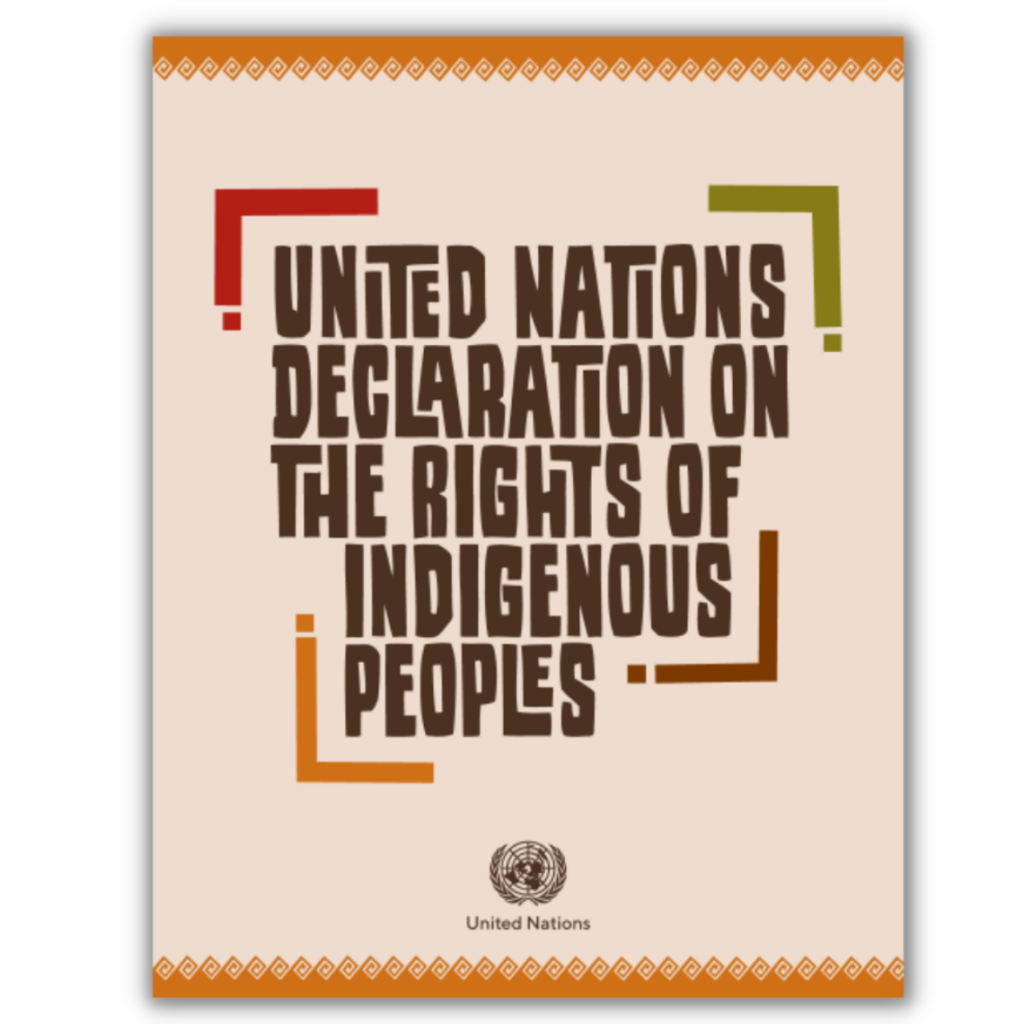
UNITED NATIONS DECLARATION · UNDRIP
A rights-based foundation for organizations to respect Indigenous Peoples’ cultures, lands, resources, institutions, participation and decision-making. Effective implementation is shaped by the applicable legal context and engagement with rights holders.
Our focus is translating these foundations into organizational governance, procedures, relationships, workforce practices and evidence of action — without treating Indigenous rights or consent as a corporate checkbox.
Where Responsibility Becomes Impact
Building relationships. Strengthening systems. Creating lasting opportunity.
Our approach connects the human, economic and operational dimensions of reconciliation so that organizational commitments produce meaningful and durable outcomes.
RELATIONSHIPS
Meaningful Indigenous Relations
Respectful engagement, relationship governance and informed decision-making.
ECONOMIC OPPORTUNITY
Equitable Economic Participation
Indigenous procurement, partnerships and long-term community benefit strategies.
ORGANIZATIONAL DESIGN
Governance & Accountability
Operating structures, policies, executive ownership and measurable responsibilities.
GENERATIONAL IMPACT
Education & Workforce Pathways
Equitable access to learning, careers, leadership and knowledge transfer.
Where reconciliation becomes operational
Reconciliation takes shape in the decisions an organization makes every day. We help connect commitments to the people who make those decisions, the processes that guide their work, and the systems that track whether commitments are being fulfilled.
Every organization requires an approach appropriate to its context, rights holders, commitments and applicable legal obligations.
Reconciliation
Operating Model
Governance & Policy
Who owns the commitment?
Define who owns commitments, who can make decisions, and when issues go to executive or Board oversight.
Indigenous Relations
Who carries the relationship forward?
Clarify who maintains relationships with Indigenous rights holders and how commitments are recorded and followed through.
Procurement & Investment
How do we create business opportunities?
Build Indigenous business participation into sourcing, supplier development, and investment planning.
People & Workforce
How do people build lasting careers?
Connect recruitment, training, apprenticeships, and leadership development to long-term career pathways.
Projects & Operations
Where do commitments enter daily work?
Carry commitments into project planning, contractor requirements, and day-to-day operating decisions.
Data & Accountability
How do we know commitments are being fulfilled?
Assign an owner to each commitment, track evidence of progress, and bring overdue actions forward for review.
An Interactive Global Perspective
One connected purpose.
A world of relationships.
Explore our strategic focus regions across Canada, the United States, Latin America and the Caribbean, and Australia. Hover over a country to reveal its name; select a country or region to explore the map.
A Connected Global Perspective
Move across the map or select a region above. Our consulting approach supports locally grounded engagement, economic opportunity, workforce capability and responsible organizational systems.
Discuss opportunities with us ↗OUR CONSULTING CAPABILITIES
Operationalizing commitments across the enterprise.
From strategic direction through to implementation, we provide the specialized consulting, human systems design, education and practical tools organizations need to build reconciliation into the functions that shape everyday decisions.

Governance, Policy & Accountability
Board and executive oversight, organizational policy, decision authority, operating procedures and reconciliation implementation frameworks.
Indigenous Relations & Engagement
Relationship strategies, engagement protocols, consultation support, consent-related processes and coordination of agreement commitments.

Economic Development & Procurement
Indigenous business participation, supplier strategies, partnership development and long-term community benefit pathways.
Workforce Strategy & Education
Employment and skills pathways, leadership development, Indigenous cultural competency and equitable access to training and opportunity.

Operational Systems Integration
Embedding commitments into project management, procurement, HR, contractor management, risk processes and departmental workflows.

Measurement & Performance
Implementation indicators, action tracking, evidence management, reporting dashboards and continuous improvement systems.
The TeamsynerG Implementation Advantage
Where reconciliation enters the operating model.
The greatest implementation gap is often not a lack of commitment. It is the absence of a coordinated system that connects Indigenous relations to decisions, people, policy, operations and performance. Explore where that integration belongs within an organization.
ORGANIZATIONAL FUNCTION
Governance & Policy
Establish Board and executive oversight, translate commitments into policy, clarify decision rights, define responsibilities and make Indigenous relations part of organizational governance.
WHAT THIS MAKES POSSIBLE
Accountable leadership, clear escalation and consistent decisions across business functions.
ORGANIZATIONAL FUNCTION
Indigenous Relations
Develop meaningful engagement approaches, culturally informed relationship protocols and coordination mechanisms that recognize Indigenous institutions, rights holders and agreements.
WHAT THIS MAKES POSSIBLE
Continuity of relationships, transparent commitments and stronger decisions informed by respectful engagement.
ORGANIZATIONAL FUNCTION
Procurement & Investment
Integrate Indigenous business participation and supplier development into purchasing strategies, contracting practices, investment and partnership decisions.
WHAT THIS MAKES POSSIBLE
Equitable access to opportunities and a practical route toward sustainable economic benefits.
ORGANIZATIONAL FUNCTION
People & Workforce
Develop workforce strategies, education, hiring pathways, apprenticeships and leadership learning that build opportunity and support culturally safe work environments.
WHAT THIS MAKES POSSIBLE
Accessible career pathways, informed leaders and capability that endures beyond a single training event.
ORGANIZATIONAL FUNCTION
Projects & Operations
Build engagement requirements, consultation-related milestones, community commitments and risk controls into project gates, contractor processes and everyday operating procedures.
WHAT THIS MAKES POSSIBLE
Operational teams understand what they must do, when, why and who is accountable.
ORGANIZATIONAL FUNCTION
Data & Accountability
Define indicators with appropriate partners, clarify evidence requirements, track action ownership and establish reliable management reporting and review cycles.
WHAT THIS MAKES POSSIBLE
Traceability, transparent reporting, meaningful feedback and opportunities to correct course.
Every organization requires an approach appropriate to its context, rights holders, commitments and applicable legal obligations.
OUR IMPLEMENTATION METHOD
From commitment to accountable action.
A structured and adaptable consulting pathway that connects strategy, organizational design, operational execution and measurable outcomes.
01
Assess Readiness
Review commitments, existing practices, relationships, functional gaps and implementation priorities.
02
Design Governance
Establish accountabilities, policies, decision structures, protocols and strategic objectives.
03
Integrate Operations
Build requirements into the actual processes, systems and responsibilities that shape business activity.
04
Build Capability
Equip leaders, teams and operational functions with education, resources and clear expectations.
05
Measure & Improve
Monitor commitments, document evidence, evaluate outcomes and improve practices over time.
Our implementation principle: Indigenous Peoples and rights holders must be meaningfully involved in matters affecting their rights and interests. Internal corporate processes do not replace Indigenous authority, appropriate engagement or applicable consultation and consent requirements.
What gets committed to must also be governed, followed through and measured.
A policy may establish intent. An implementation system creates responsibility. TeamsynerG helps organizations establish traceable actions, clear ownership, credible measures and reporting that reflects progress and remaining gaps.
Our consulting, capability development and digital solutions can work together to strengthen implementation discipline, document commitments and support evidence-informed improvement.
OUR PROMISE
To honour the responsibility behind every commitment.
Our promise is not to speak for Indigenous Peoples. It is to help organizations take responsibility for how they engage, decide, invest and act.
Generational sustainability is not achieved through a declaration. It is shaped by the relationships we respect, the opportunities we create and the decisions we are prepared to change.
TEAMSYNERG GLOBAL CONSULTING
The Corporate Responsibility | Call to Action 92
A call for change inside the organization. The Truth and Reconciliation Commission of Canada calls on the corporate sector to adopt UNDRIP as a reconciliation framework and apply its principles to corporate policy and core operational activities involving Indigenous Peoples, lands and resources. The three commitments below must be made visible in business practice—not confined to a statement of intent.
Meaningful relationships & informed consent
Establish respectful relationships, support meaningful consultation and address free, prior and informed consent in the context of projects affecting Indigenous Peoples.
In organizational practice Engagement protocols, rights-holder identification, decision and escalation pathways, project approval gates, agreement commitments and accountable relationship stewardship.
Equitable economic participation & opportunity
Improve access to jobs, training and education while supporting long-term sustainable benefits for Indigenous communities from economic development.
In organizational practice Indigenous procurement and supplier development, equitable hiring, apprenticeships, skills pathways, workforce partnerships and community-defined benefit measures.
Education, understanding & leadership capability
Educate management and staff on Indigenous histories, the legacy of residential schools, Indigenous rights, Treaties, Indigenous law and Aboriginal–Crown relations.
In organizational practice Role-specific learning pathways, leadership expectations, onboarding, knowledge retention and the application of learning to operational decisions and workplace conduct.
Call to Action 92 is specific to the Canadian reconciliation context. The implementation of UNDRIP principles elsewhere requires consideration of local Indigenous rights, law and jurisdiction.
The Rights Foundation | UNDRIP
Rights are not a box to check. They shape how decisions are made.
UNDRIP recognizes the collective and individual rights of Indigenous Peoples, including self-determination, participation in decisions, the importance of lands and territories, culture, knowledge and free, prior and informed consent. For organizations, respect for these principles must inform how relationships are established, responsibilities are assigned and projects are governed.
ARTICLE 03
Self-determination
Recognize Indigenous Peoples’ right to determine their political status and freely pursue economic, social and cultural development.
ARTICLES 18–19
Participation & consent
Respect Indigenous decision-making institutions and the relevant consultation and consent principles when measures may affect Indigenous Peoples.
ARTICLES 25–26
Lands, territories & resources
Recognize Indigenous Peoples’ distinct spiritual, cultural and material relationships with lands and resources, and associated rights.
ARTICLES 20, 23 & 32
Economic priorities & development
Support Indigenous-defined economic priorities, participation in development decisions and strategies for lands, territories and resources.
Our consulting commitment: Design organizational systems that are capable of respecting rights, strengthening relationships and supporting accountable action, without substituting corporate processes for Indigenous governance or the obligations of the Crown.
Indigenous Economic Development & Relations
Your commitments deserve an operational strategy.
Whether your organization is establishing a reconciliation direction or strengthening existing practices, TeamsynerG brings the specialized expertise, systems-thinking and implementation support to help transform intention into meaningful organizational action.