

Leading Human Inclusion in a Generative AI Workplace™
Develop the Skills to lead human-centered AI adoption
Technology may shape the future of work. Leadership will shape the human experience of it.
Explore the learning experiences designed to help organizations prepare people alongside technological change. As organizations accelerate AI adoption, leaders are being asked to navigate new questions surrounding workforce readiness, psychological safety, inclusion, trust, identity, and the future role of human contribution within the workplace.
Starts Tuesday October 13th, 2026

Key Questions This Training Addresses
- How do organizations continue to evolve without leaving people behind?
- What happens when systems advance faster than human readiness?
- What new psychosocial risks emerge when cognitive work begins to change?
- How do organizations protect dignity, belonging, and psychological safety during technological transformation?
- How do leaders support employees who fear exclusion or replacement?
- What responsibilities do organizations have to prepare people for the future they are creating?
- What uniquely human capabilities become more valuable in an age of Generative AI?
Preparing People for the Future of Work.
Discover the learning experiences designed to support leaders navigating human inclusion in an age of cognitive transformation.
What You Will Learn
This program equips leaders with the knowledge, frameworks, and practical tools required to prepare people for cognitive transformation while protecting psychological safety, strengthening workforce inclusion, and preserving human contribution in a Generative AI workplace.
Participants will gain a deeper understanding of the human implications of Generative and Agentic AI, emerging psychosocial risks, multi-generational workforce readiness, ethical leadership responsibilities, and the strategies required to support workforce adaptation as organizations continue to evolve. By the conclusion of the program, participants will leave with a practical Human Inclusion Action Plan™ and the confidence to lead responsible, inclusive, and human-centered AI adoption within their organizations.
Program Delivery:
- Tuesday Sept 22nd, 2026 to Tuesday Oct 13th. 2026
- 12 PM EST- 4 Live Training Classes | 120 Minutes + Coaching and Q&A
- Self-Paced Training Modules
- All Live Classes Are Recorded if You Cannot Attend
- Certificate Upon completion
Module 1: Understanding the Evolution of Work and Technology
Technological transformation is not new. Throughout history, organizations and societies have adapted to mechanization, industrialization, computerization, digital transformation, and automation. This module provides the historical context necessary to understand where Generative AI fits within the broader evolution of work and why this technological shift feels fundamentally different from previous waves of change. Participants will explore the distinction between technology readiness and human readiness and begin to understand why successful AI implementation depends as much on preparing people as it does on deploying technology.
Module 2: Generative and Agentic AI, and Large Language Models in the Workplace
Artificial Intelligence has existed within organizations for decades, yet many leaders struggle to distinguish between traditional AI, machine learning, Generative AI, and Large Language Models. This module provides practical clarity on what organizations are actually implementing, the capabilities and limitations of these technologies, and the implications for work design and workforce planning. Participants will develop a grounded understanding that moves beyond fear, misinformation, and hype to support informed leadership decision-making.
Module 3: Cognitive Transformation and Human Contribution
Previous technologies helped humans perform cognitive work more efficiently. Generative AI introduces a new reality by performing portions of cognitive work itself. This module examines the implications of cognitive transformation and explores how Generative AI is reshaping traditional assumptions about value, expertise, and contribution within organizations. Participants will examine the distinction between augmentation and replacement and identify the uniquely human capabilities that become increasingly valuable as AI capabilities continue to evolve.
Module 4: The Human Experience of Generative AI
Technological change is experienced differently by every individual. For some, Generative AI represents opportunity and advancement. For others, it introduces uncertainty, fear, and concerns about future relevance. This module explores the psychological and emotional dimensions of cognitive transformation, including identity disruption, perceived loss of value, confidence, trust, and belonging. Participants will gain insight into the human experiences that often sit beneath resistance to change and learn to recognize these responses as important indicators of workforce readiness rather than barriers to progress.
Module 5: Psychosocial Hazards in a Generative AI Workplace
As organizations adopt Generative AI technologies, new psychosocial risks are emerging that require thoughtful leadership attention and proactive prevention strategies. This module explores the relationship between AI adoption and psychosocial hazards such as job insecurity, role ambiguity, cognitive overload, reduced control, change fatigue, and technological exclusion. Participants will learn how these hazards influence psychological health, engagement, and organizational performance and will explore strategies for identifying and managing these risks within their own environments.
Module 6: Psychological Safety During Cognitive Transformation
Learning, adaptation, and innovation cannot occur without psychological safety. As organizations move through periods of significant technological change, employees must feel safe asking questions, admitting capability gaps, challenging assumptions, and learning new ways of working. This module explores the role of leadership in creating environments where curiosity is encouraged, vulnerability is respected, and people feel supported throughout the learning process. Participants will examine practical approaches for strengthening trust, communication, and psychological safety during periods of uncertainty and transformation.
Module 7: Multi-Generational Workforce Inclusion
Generative AI adoption does not affect all employees equally. Individuals bring different experiences with technology, varying levels of confidence, and diverse learning needs shaped by their professional journeys and life experiences. This module examines the realities of leading multi-generational workforces through cognitive transformation and explores strategies for reducing technological exclusion while strengthening inclusion, belonging, and participation. Participants will learn how to support adaptation without compromising dignity, respect, or the value of experience.
Module 8: Ethical Leadership in the Age of Generative AI
The ability to implement technology does not remove the responsibility to lead ethically. As Generative AI becomes increasingly embedded within organizational systems and decision-making processes, leaders must navigate questions related to fairness, transparency, accountability, oversight, and responsible implementation. This module explores the ethical considerations associated with cognitive technologies and provides participants with practical frameworks for ensuring human values remain central to technological advancement.
Module 9: Preparing Organizations for Human Readiness
Organizations have invested heavily in preparing technology for the future. Far fewer have invested in preparing people for it. This module focuses on the leadership, organizational, and workforce strategies necessary to support successful human adaptation alongside technological change. Participants will explore approaches to workforce planning, communication, engagement, capability development, reskilling, and inclusion planning that strengthen organizational resilience while supporting employee confidence and readiness.
Module 10: Building a Human Inclusion Action Plan™
Awareness alone does not create meaningful change. The final module brings together the concepts, tools, and frameworks explored throughout the program and supports participants in translating learning into action. Participants will identify organizational priorities, evaluate potential risks, establish leadership commitments, and define measures of success related to human inclusion within a Generative AI workplace. By the conclusion of the program, participants will leave with a practical Human Inclusion Action Plan™ designed to support responsible, inclusive, and human-centered AI implementation within their organizations.
Bring This Training Into Your Organization
Organizations may choose to deliver this program through either a one-day facilitated workshop or a private corporate
cohort experience. Schedule a Free Consultation to Discuss your groups needs.

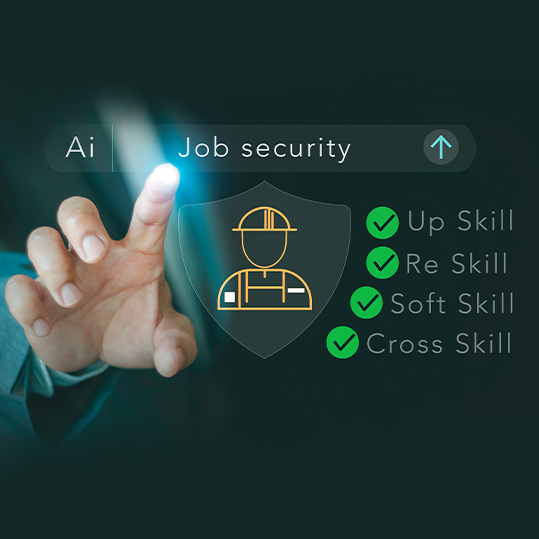

The Future of Work is Human
The future of work is unlikely to be humans versus technology. It will be defined by how effectively organizations integrate human intelligence and artificial intelligence together. The organizations that lead this transformation successfully will understand that innovation and inclusion are not competing priorities. They are dependent upon one another. Because the question is no longer whether organizations are ready for Generative AI. The question is whether people are being prepared to work safely, effectively, and inclusively alongside it.