
Whole-Person Safety® is a proprietary methodology developed by Dr. Marvin Thompson and Audrey Hlembizky from TeamsynerG Global Consulting, through 75 years of multi-industry experience in leadership and policy development, behaviour economics, culture engineering, organizational change, business improvement and workplace psychology.

A data-driven and research-based model and approach to creating a paradigm shift in leadership behaviours at every level of the organization to engineer inclusive cultures and workplace environments of safety, inclusion, dignity and respect.

Whole-Person Safety® is a comprehensive framework that integrates both psychological and occupational safety. Psychological safety refers to the emotional aspects of safety, where employees feel secure, respected, and free to express themselves without fear of negative consequences. Occupational safety, on the other hand, pertains to the physical aspects of safety, ensuring that employees are protected from harm, health risks and have all their physiological needs provided within their built environments.

Whole-Person Safety® is a progressive approach that recognizes the intricate connection between an employee’s psychological and occupational safety is not just an ethical decision but a strategic one, leading to a healthier, more engaged workforce, lower operational risks, enhanced reputation, and ultimately, greater profitability. This approach to safety is an investment in the company’s most valuable resource – its people – and is critical for the sustainable success of any mining organization.

Removing the Barriers of Psychosocial Hazards

Removing the barriers of psychosocial hazards is essential for fostering a healthy, productive, and supportive workplace environment. Psychosocial hazards are aspects of work design and management, as well as the social and organizational context of work, that have the potential to cause psychological or physical harm to employees. These hazards, including excessive workloads, lack of control, role ambiguity, poor organizational support, interpersonal conflicts, job insecurity, work-life imbalance, and exposure to violence or traumatic events, contribute to creating unsafe work environments both physically and psychologically. They lead to increased stress, burnout, and diminished job performance, undermining overall workplace safety and well-being. 

Our Whole-Person Safety methodology is uniquely designed to identify, assess, and mitigate the risks associated with psychosocial hazards. With over 35 years of experience, our team of experts employs a proactive approach to implementation, focusing on sustainable solutions and train-the-trainer strategies. Our comprehensive approach spans six human safety zones: Built Environment Safety, Workplace Safety, Inclusion Safety, Knowledge Equity Safety, Well-Being Safety, and Behavior Safety. By integrating these zones, we create a holistic strategy that addresses the physical, psychological, social, emotional, and intellectual needs of employees. 

Organizations that actively address psychosocial hazards can see up to a 60% reduction in workplace stress and a 50% improvement in employee engagement and productivity. Imagine a work environment where employees are not only free from fear but also empowered to innovate and excel. By removing these barriers, we can transform workplaces into hubs of resilience and high performance, fostering a culture where people genuinely want to work and thrive. 

Poor Physical Environment Poor Physical Environment
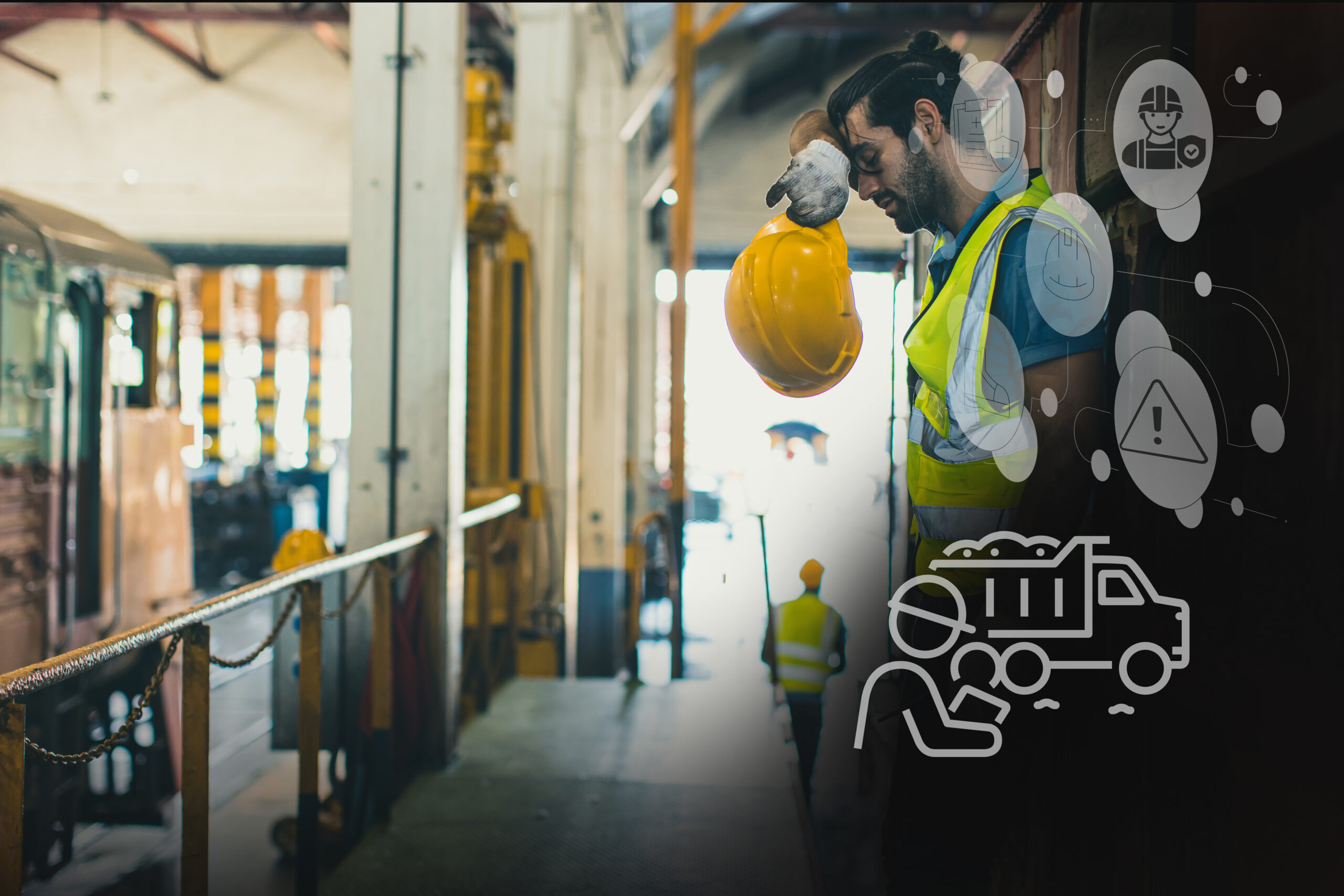
When workers spend long hours in physically taxing environments and environmental conditions that are not managed it can lead to chronic fatigue, depression and increased injury risks. When built environments are not designed to be accessible, inclusive and respectful to a human’s fundamental needs, it can create an increase in fear, exclusion and significantly impact the physical, physiological and psychological health.

Poor Physical Environment
Traumatic Events or Material Traumatic Events or Material
Employees exposed to traumatic events, witnessing or being involved in life-threatening situations, near-misses, or hazardous material can cause psychological distress, anxiety, and post-traumatic stress disorder (PTSD). Additionally, workers dealing with hazardous materials, biohazards, or emergency spill responses may experience emotional strain from their work, especially if proper debriefing or mental health support is lacking.

Traumatic Events or Material
Poor Organizational Change Management Poor Organizational Change Management
When workers spend long hours in physically taxing environments and environmental conditions that are not managed it can lead to chronic fatigue, depression and increased injury risks. When built environments are not designed to be accessible, inclusive and respectful to a human’s fundamental needs, it can create an increase in fear, exclusion and significantly impact the physical, physiological and psychological health.
Poor Organizational
Change Management
Conflict or Poor Workplace Relationships and Interactions Conflict or Poor Workplace
Relationships and Interactions

In highly structured, fast-paced industries, poor workplace relationships can lead to tension, distrust, and decreased productivity. Poor communication, favoritism, exclusion, or unresolved disputes between coworkers or supervisors can create a toxic work culture. A lack of team cohesion, misalignment of goals, or disrespectful interactions can impact safety, decision-making, and job satisfaction. If left unaddressed, interpersonal conflicts may lead to harassment claims, increased turnover, and lost operational efficiency.
Conflict or Poor Workplace
Relationships and Interactions
Bullying Bullying
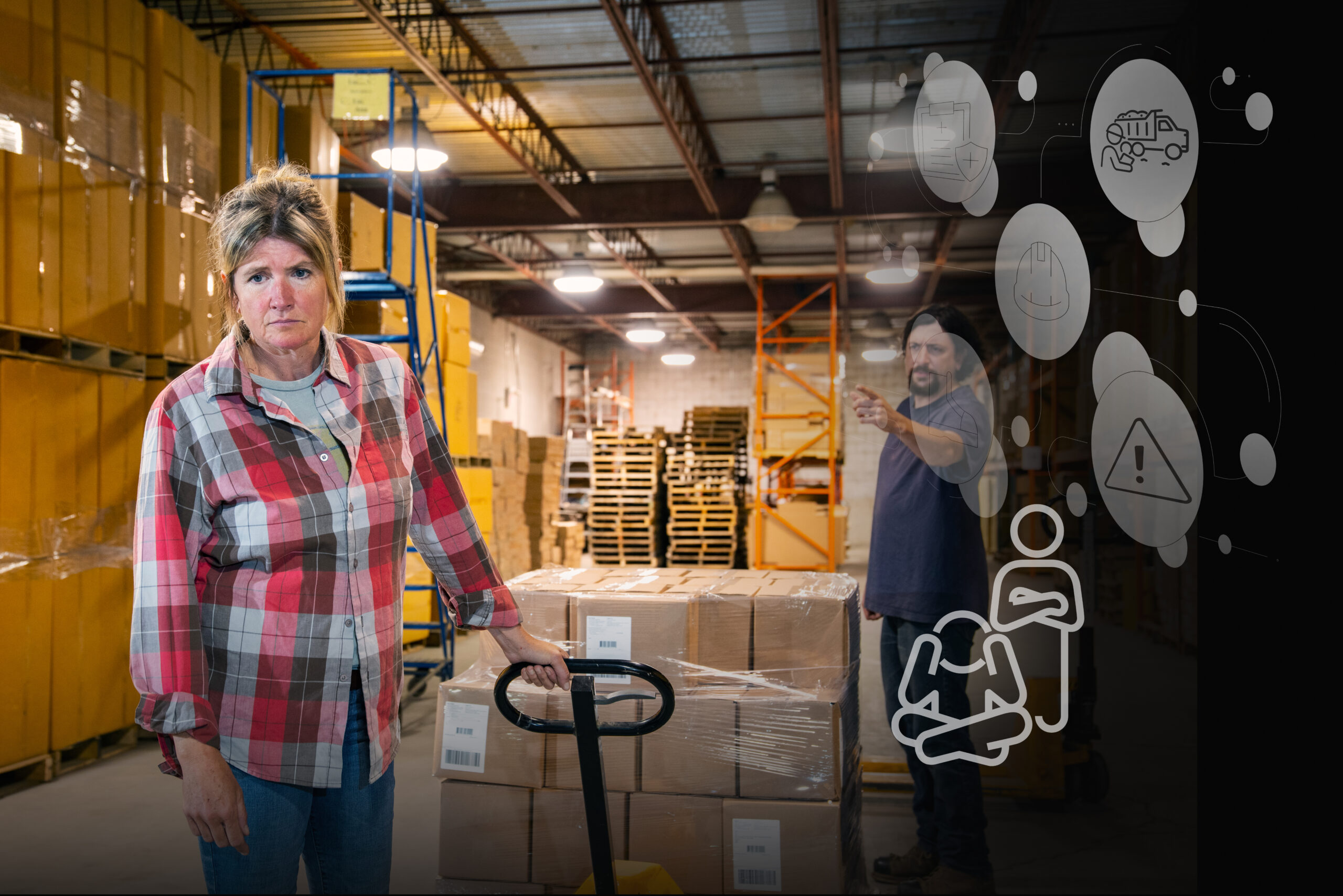
Bullying in the workplace often manifests as intimidation, excessive criticism, deliberate exclusion, or undermining someone’s work. It may be perpetrated by supervisors, coworkers, or managers and can be exacerbated in male-dominated industries where harsh leadership styles or a "tough it out" culture is prevalent. Bullying creates stress, anxiety, and decreased confidence in employees, leading to high turnover, disengagement, and lower workplace morale.
Bullying
Harassment, Including Sexual and Gender-Based Harassment Harassment, Including Sexual and
Gender-Based Harassment

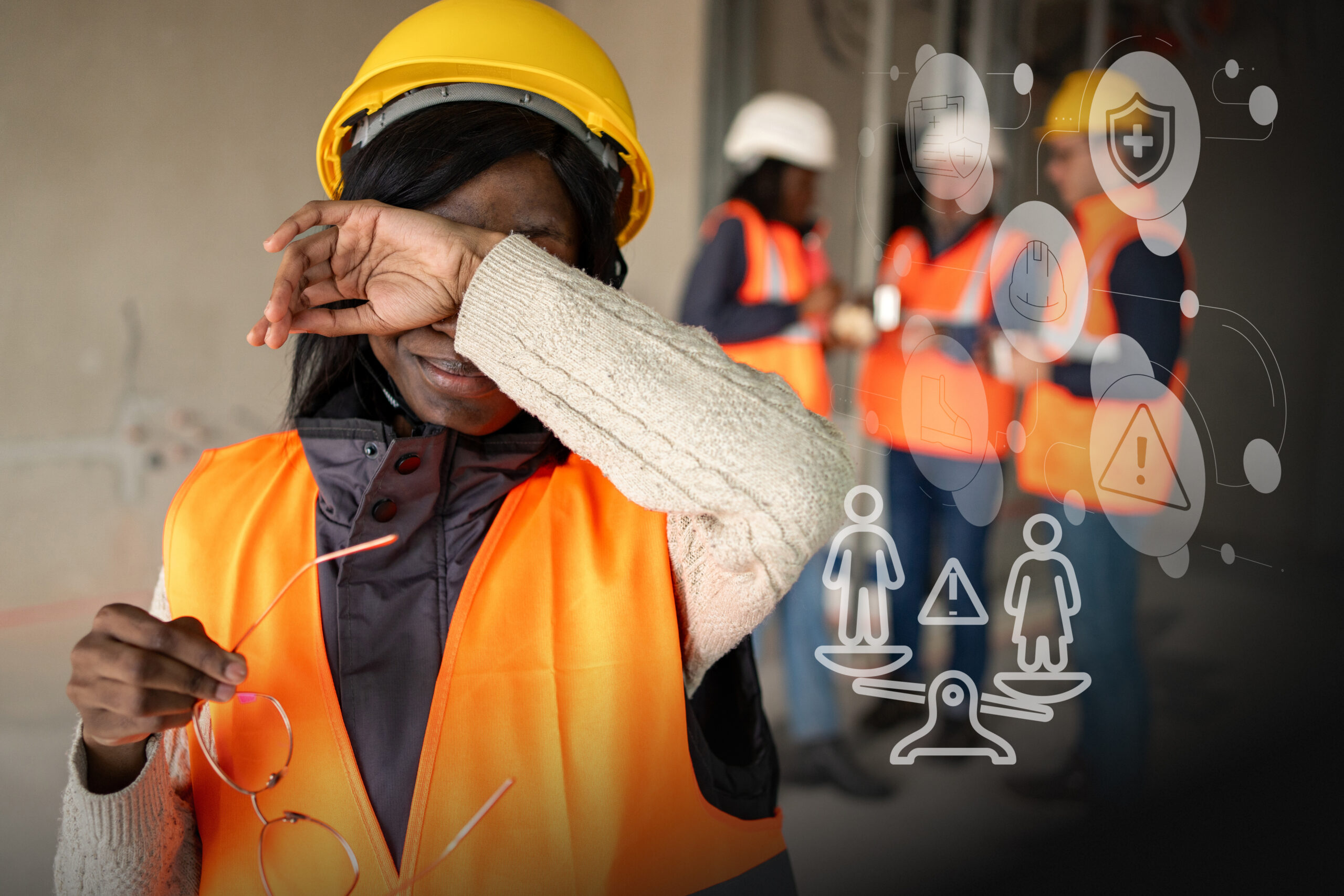
Workplace harassment includes unwanted comments, gestures, discrimination, inappropriate physical contact, or offensive jokes based on gender, race, or other protected characteristics. Without strong policies and enforcement, harassment can drive skilled workers away, increase legal risks for companies, and create an unsafe working culture.
Harassment
Poor Organizational Justice Poor Organizational Justice
Organizational justice refers to how fairly policies, procedures, and decisions are applied within a workplace. In industries where favoritism, inconsistent disciplinary actions, or unfair work allocation exist, workers may feel disrespected, undervalued, or resentful. Unequal treatment in promotions, pay, workload distribution, or dispute resolution undermines trust in leadership and can create division within teams.

Poor Organizational Justice
Inadequate Reward and Recognition Inadequate Reward and Recognition
When employees feel undervalued for their efforts, are not compensated fairly, or do not receive acknowledgment for contributions to safety, innovation, or productivity, it leads to low morale, disengagement, and job dissatisfaction. Over time, a lack of recognition contributes to higher turnover rates and difficulty attracting skilled talent.
Inadequate Reward
and Recognition
Violence and Aggression Violence and Aggression
Violence and aggression in these industries can come from coworkers, supervisors, clients, or external stakeholders. In high-pressure environments, conflicts can escalate into verbal or physical altercations. Additionally, workplace substance abuse, power imbalances, or high-stress conditions can contribute to violent behavior. Without strict policies and enforcement, workplace aggression can create a climate of fear, reduced teamwork, and psychological harm.

Violence and Aggression
Lack of Role Clarity Lack of Role Clarity
When job roles and expectations are unclear, workers may struggle with understanding their responsibilities, reporting structures, or performance expectations. Role ambiguity increases frustration, stress, and the likelihood of mistakes or accidents. This is especially critical in high-risk and high-performing industries where clear roles are necessary to ensure safety protocols are followed correctly and tasks are completed efficiently.
Lack of Role Clarity
Low Job Control Low Job Control
Low job control occurs when workers have little say in how or when they complete their tasks. When workers cannot influence their work environment or make decisions about their tasks, it contributes to low morale, reduced motivation, and decreased problem-solving initiative, which can affect overall workplace efficiency and safety.

Low Job Control
Remote or Isolated Work Remote or Isolated Work
Many industrial sectors operate in remote locations, offshore sites, underground mines, or isolated manufacturing plants, leading to social disconnection, loneliness, and increased mental health challenges. In isolated settings, access to fundamental essential needs may be limited. Employees working alone may also experience higher stress levels and safety risks due to a lack of immediate support.

Remote or Isolated Work
Job Demands Job Demands
Cognitive demands, such as problem-solving under pressure, making quick decisions in hazardous conditions, or managing multiple priorities, can also contribute to stress. When job demands exceed a worker’s capacity or there is inadequate staffing, it increases the risk of mental exhaustion, burnout, and safety incidents.
Job Demands
Poor Support Poor Support
Poor support occurs when supervisors, coworkers, or the organization fail to provide adequate guidance, resources, or assistance. The absence of effective support networks can increase isolation, stress, and mental health risks. Without proper leadership and peer support, workers may feel undervalued and left to navigate challenging tasks alone.
Poor Support
Industrial worker in a high-visibility vest holding a yellow hard hat, standing in a factory hallway. Construction worker in a hard hat and high-visibility vest sits on the ground at the open doorway of a shipping container in a yard. Two warehouse workers in orange safety vests and yellow helmets converse, with a overlay of safety and tech icons on the right. Woman wearing a hijab looks down at a tablet in a bright office, with subtle futuristic icons overlaid in the foreground. Warehouse workers in safety glasses standing among stacked boxes; foreground person looks down, carrying a box; abstract icons overlay on the right side conveying safety tech. Warehouse worker in plaid shirt pushes a pallet jack among stacked boxes; another worker visible in the background. Construction worker shielding eyes in an orange safety vest and yellow helmet; colleagues in hi-vis vests in the background. Man with tattoos sits at a workbench in an industrial workshop, head in hand, yellow hard hat on the table with documents nearby, and holographic safety icons projected on a glass panel to the right. Three factory workers in hard hats and safety glasses converse, one holding a handheld radio in a dim industrial setting with equipment in the background. Person sits at a desk with open papers, holding their head in distress while studying. A laptop and notes are on the desk with faint digital icons overlaid on the screen. Silhouetted technician in a hard hat inspecting server racks in a data center, with abstract tech icons projected on the right wall. A group of professionals in a modern office, with one man seated at a table in the foreground and others chatting in the background, plus translucent security icons overlaid on the right side. Man in a suit removes his glasses while looking down at a desk, with faint medical-technology icons overlaying the image. Two workers in a dim workshop walk toward a bright doorway; one holds a hard hat, with safety icons overlaid on the right side.
Creating Psychologically Safe Workplace Cultures

Psychological safety has risen to the forefront of organizational consciousness and is recognized as a vital, authentic and necessary part of an employee’s workplace experience. By fostering a culture of security, trust and belonging, organizations can empower resilience and adaptability, while maintaining integrity and accountability at every work level of the organization.  Psychological safety plays a critical role in effective teamwork and collaboration supports open communication and encourages employees to provide constructive feedback, support one another in achieving shared objectives and enable a team’s ability to function cohesively and efficiently.

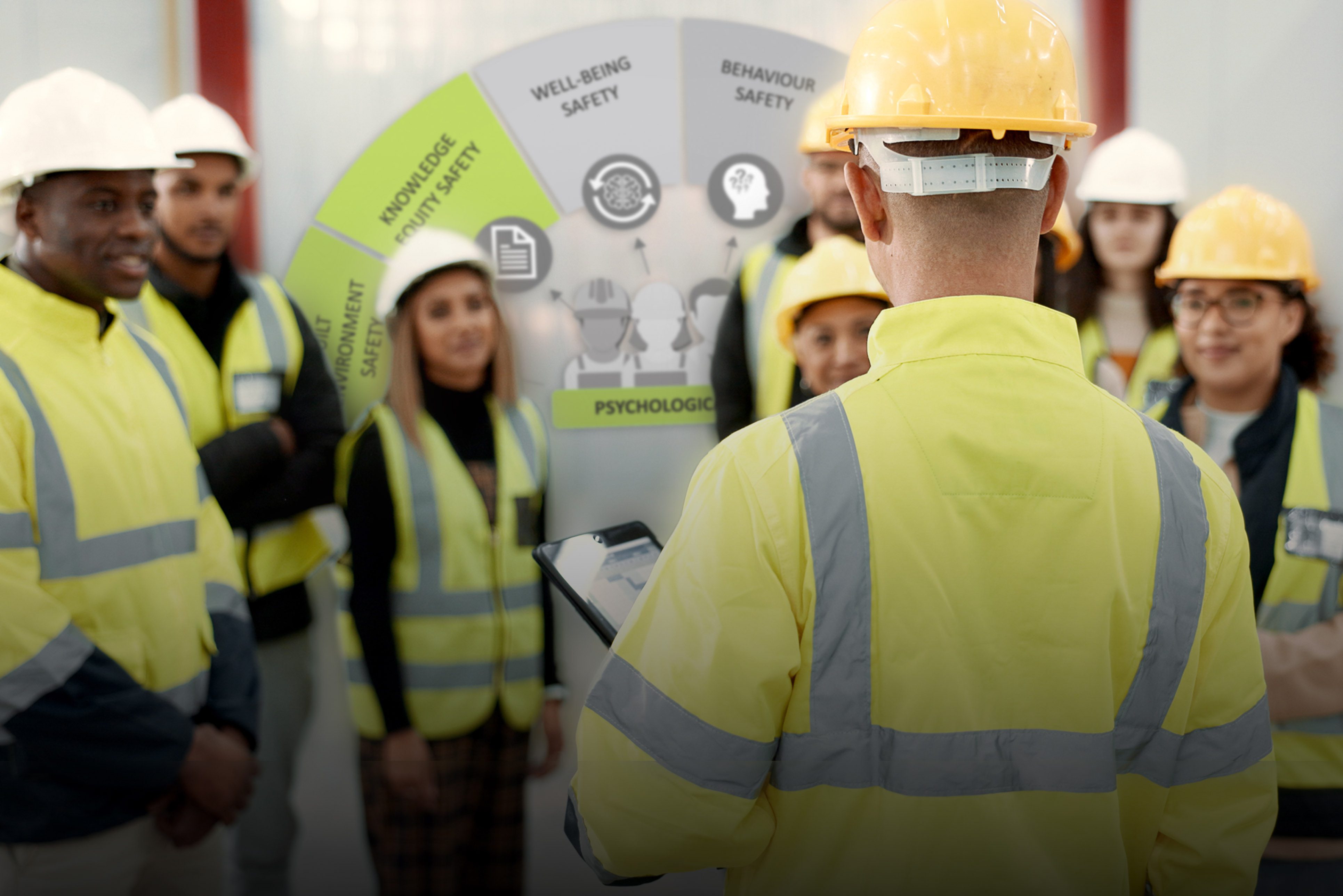
Whole-Person Safety® is the first comprehensive psychological safety standardized system that looks at the physical, psychological, social, emotional and intellectual needs of a human being. A  proprietary methodology with six human safety zones recognizes the intricate connection between an employee’s psychological and occupational safety and an organization’s need to optimize continuous improvement and workplace health and safety. The Whole-Person Safety® system was developed by Dr. Marvin Thompson and Audrey Hlembizky based on 75 years of multi-industry experience in leadership and policy development, behaviour economics, culture engineering, organizational change, business improvement and workplace psychology.  A data-driven and research-based model and approach to creating a paradigm shift in leadership behaviours at every level of the organization engineering inclusive cultures and workplace environments of inclusion, dignity and respect. 

The Whole-Person Safety® approach is focused on meaningful and measurable progress.  Transforming organizations’ diversity, equity and inclusion strategies and initiatives into effective sustainable outcomes; moving organizations forward, empower authentic leadership, drive successful change management and build safety and speak up cultures.  More importantly, investing in a company’s most valuable resource – its people!

FEELING
PSYCHOLOGICALLY SAFE IS A
FUNDAMENTAL
HUMAN NEED
AN Inclusive
and Inviting
Workplace
Environment
Engineer
Now is To Redefine
the Workplace
the
Time

FEELING
PSYCHOLOGICALLY SAFE IS A
FUNDAMENTAL
HUMAN NEED
AN Inclusive
and Inviting
Workplace
Environment
Engineer
Now is To Redefine
the Workplace
the
Time

“The lens through which you view someone can either limit or liberate their potential. When you choose to see beyond your assumptions, you create safe spaces that liberate human potential.”

0 %
74% Less Work Place Stress
With the Benefits of Psychological Safety at Work

By implementing the strategies, principles and practices of Whole-Person Safety, workplace cultures can be transformed into a place of innovation, collaboration fostering a culture of trust, open communication, and a supportive leadership that enables and empowers your team to achieve higher levels of productivity and well-being.  

Increased Employee Engagement
76%
Increased Performance and Productivity
50%
Empowered Team Collaboration
57%
Decreased Turnover
27%
Reduced Safety Incidents
40%
Green_Icons-02.png
BUILT ENVIRONMENT SAFETY
The spaces where we work significantly impact our mental state. 
 

A mindfully and inclusively designed, safe, and comfortable physical environment not only prevents physical harm but also promotes mental clarity and reduces stress optimizing employee performance. 

Green_Icons-07.png
KNOWLEDGE EQUITY SAFETY

Access to information and opportunities for growth is not just a matter of fairness; it’s about ensuring that every individual feels valued and empowered. 

Closing the gap in generational knowledge transfer,  creating equitable knowledge and fostering a sense of belonging and confidence, which is crucial for psychological well-being, succession planning and innovation. 

Green_Icons-06.png
WELL-BEING SAFETY

The holistic health of employees is at the core of employee engagement. 

Physical health initiatives are deeply intertwined with mental and emotional support systems. An individual who feels cared for in all aspects of their well-being is more engaged, resilient, and productive

Green_Icons-05-1.png
BEHAVIOUR SAFETY
Safe behaviours in the workplace are not just about following rules; they’re about creating an environment where individuals feel secure enough to voice concerns, report incidents and trust that their safety is a priority. 

This sense of security is foundational for psychological safety and risk mitigation and holds leadership accountable for following through with grievances that result in reconciliation and positive resolutions.

Green_Icons-04.png
WORKPLACE SAFETY

This care for physical well-being, awareness, self-reflection and transparency reinforces an individual’s sense of being valued and supported and leads to each employee being a leader and ambassador for a safety culture.

Foundational in prioritizing safety is a clear indicator of an organization’s commitment to its employees’ well-being, reinforcing the values of respect, inclusion, and psychological safety.

Green_Icons-03.png
INCLUSION SAFETY

is about creating a space where every individual feels they can show up as their authentic selves without fear. 

This sense of acceptance is critical allowing individuals to contribute fully and creatively. 

“Every interaction at work either strengthens our connection or fractures our trust. Choose words and actions that build bridges, not barriers creating safety in the minds for everyone.”

Expert - Led Training and Leadership Development

In an era where information is abundant, the real challenge is turning knowledge into action. At TeamsynerG Global Consulting, we go beyond traditional training methods—we equip leaders, HR professionals, and health and safety specialists with the tools, strategies, and frameworks necessary to drive real behavioral change in their organizations.

Our expert-led professional training programs are designed to bridge the gap between awareness and application, ensuring that workplace learning translates into measurable outcomes and a culture of psychological safety and accountability.

Our training programs and workshops are intentionally designed to address the most pressing challenges in today’s workplaces, focusing on respect, dignity, psychological safety, high performance, and leadership accountability.

Expert-Led
in-person Facilitation

Hybrid Learning
blend self-driven learning with
live on-line facilitation

Occupational Certification
Accredited on-line Learning
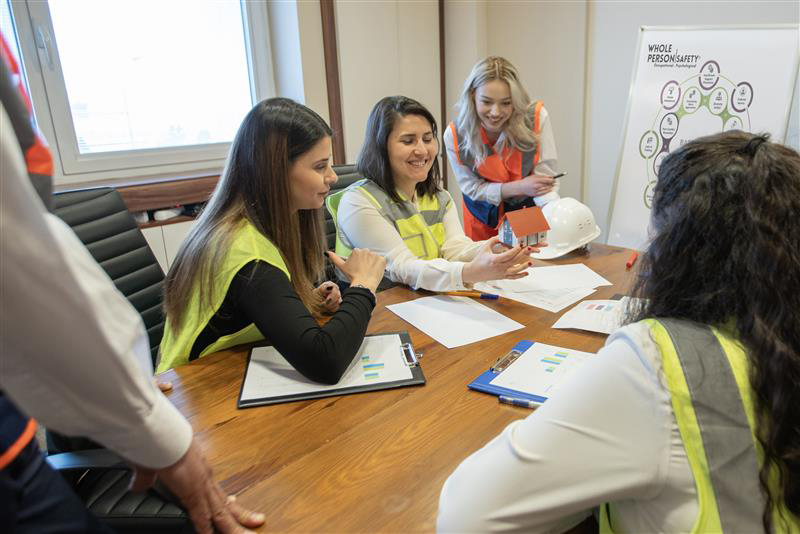
  • Training Delivery Methods Designed for Real-World Impact and Flexibility
  • Training Delivery Methods Designed for Real-World Impact and Flexibility 

Knowledge alone is not enough. Our programs spanbring real workplace challenges into the learning experience, allowing participants to apply strategies, navigate complex situations, and achieve breakthrough outcomes in how they think, plan, act, and lead. 

  • Ongoing Support and Measurable Change

We don’t just deliver training and walk away. Our programs include structured feedback mechanisms, maturity improvement check-ins, and KPI-driven success tracking to ensure that participants are actively implementing what they’ve learned—and that organizations are seeing tangible improvements in workplace culture and performance. 

Psychological Safety Training

Psychological safety is the foundation of high-performing teams, trust-based leadership, and innovative workplace cultures. This training provides leaders and employees with the tools to create an environment where everyone feels safe to contribute, voice concerns, and take risks without fear of retaliation. Grounded in the Whole Person Safety Model, this program ensures that psychological safety is not just encouraged but systematically integrated into leadership practices, policies, and team dynamics. 

Psychosocial Hazard Prevention Training

Workplace safety must go beyond physical risks, psychosocial hazards such as workplace stress, toxic leadership, exclusion, and lack of role clarity create significant risks to employee well-being, engagement, and performance. This training equips organizations with the skills to identify, assess, mitigate, and prevent psychosocial hazards, ensuring compliance with workplace psychological health and safety standards while strengthening employee trust and retention. Using Whole Person Safety as the governance framework, this program ensures a proactive, structured approach to reducing workplace risks. 

Bystander Training

Workplace harassment, bullying, and incivility thrive in environments where people are unsure how to intervene. This expert-led training empowers employees and leaders with the skills to recognize, respond to, and prevent misconduct before it escalates. Participants will gain practical intervention techniques, confidence-building exercises, and workplace-specific case studies to help them take action in a way that aligns with organizational policies and Whole Person Safety governance. 

A Transformational Learning Experience 

At TeamsynerG Global Consulting, we believe that true transformation happens when learning is lived, not just taught.

Our programs are designed to empower organizations with the frameworks, skills, and accountability measures necessary to create lasting, measurable change, not just deliver information. We challenge participants to bring their real-life situations and workplace challenges into the training experience, ensuring they walk away with actionable solutions, not just theories.

Sensitivity, Bias & Discrimination Training

Bias, whether conscious or unconscious, impacts decision-making, workplace relationships, and employee engagement. This training helps participants identify, challenge, and mitigate bias at the individual, team, and organizational levels. Using Whole Person Safety as the guiding framework, we provide tools to create inclusive communication, respectful workplace interactions, and policies that prevent discrimination from taking root in company culture. 

Equity, Diversity & Inclusion (EDI) Training

Workplace safety must go beyond physical risks, psychosocial hazards such as workplace stress, toxic leadership, exclusion, and lack of role clarity create significant risks to employee well-being, engagement, and performance. This training equips organizations with the skills to identify, assess, mitigate, and prevent psychosocial hazards, ensuring compliance with workplace psychological health and safety standards while strengthening employee trust and retention. Using Whole Person Safety as the governance framework, this program ensures a proactive, structured approach to reducing workplace risks. 

Change Management Leadership Training

Workplace harassment, bullying, and incivility thrive in environments where people are unsure how to intervene. This expert-led training empowers employees and leaders with the skills to recognize, respond to, and prevent misconduct before it escalates. Participants will gain practical intervention techniques, confidence-building exercises, and workplace-specific case studies to help them take action in a way that aligns with organizational policies and Whole Person Safety governance. 

TRAINING AND DEVELOPMENT
Redefining Workplace Training to Drive Measurable and Meaningful Impact

Our Whole-Person Safety programs deliver measurable impact and lasting change by addressing the comprehensive needs of employees through our six human safety zones: Built Environment Safety, Workplace Safety, Inclusion Safety, Knowledge Equity Safety, Well-Being Safety, and Behavior Safety. Our methodology, based on 75 years of multi-industry experience, integrates these zones to create a psychologically safe, inclusive, and respectful workplace. Our data-driven approach identifies and addresses the root causes preventing psychological safety and respectful workplace environments. Our training and workshops, including those on psychological safety, unconscious bias, and inclusive leadership, ensure sustainable growth and continuous improvement. Experience transformation as we turn challenges into opportunities, driving measurable results aligned with your organizational goals. 

Building a culture of trust and respect is fundamental to our Whole-Person Safety approach. Our programs and workshops, such as those focused on inclusion safety and behavior safety, cultivate an environment where employees feel safe, valued, and empowered to contribute their best. We address barriers like unconscious bias, microaggressions, and lack of inclusion through targeted training that promotes open communication and mutual respect. Integrating principles of psychological safety into everyday practices helps organizations develop a respectful workplace culture that enhances collaboration and productivity. Our unique approach ensures these changes lead to enduring organizational excellence. 

Strong workplace relationships are the cornerstone of a productive and harmonious environment. Our Whole-Person Safety programs focus on building and strengthening these relationships through comprehensive training that promotes empathy, understanding, and effective communication. We address issues such as conflict resolution, teamwork, and interpersonal dynamics to create a supportive and cohesive workplace. By integrating principles from our well-being safety and behavior safety zones, we enable employees to form meaningful connections that drive collective success. Our unique programs create sustainable improvements in workplace relationships, leading to a more engaged and motivated workforce. 

Preparing your organization for the future requires a workforce that is adaptable, resilient, and inclusive. Our Whole-Person Safety programs are designed to craft a future-ready workforce by integrating principles of psychological safety and inclusive leadership across all six safety zones. We address challenges such as resistance to change, skills gaps, and diversity barriers, equipping your team with the tools they need to thrive in a dynamic environment. Our training fosters a culture of continuous learning and innovation, ensuring your organization is prepared for the future and positioned to lead it. Experience the unique benefits of our programs as we create a workforce ready to meet tomorrow’s challenges. 

Every challenge presents an opportunity for growth and improvement. Our Whole-Person Safety programs are designed to transform organizational challenges into opportunities by addressing the underlying issues hindering progress. We focus on creating a culture of psychological safety where employees feel empowered to take risks, innovate, and contribute to their fullest potential. By leveraging our knowledge equity safety and built environment safety zones, we identify and mitigate factors such as workplace stress, lack of inclusion, and communication barriers. Turning these challenges into opportunities helps organizations achieve sustainable success and growth, creating a resilient and high-performing workforce. 

Pioneering the path to organizational excellence requires a commitment to creating a culture of psychological safety, respect, and inclusion. Our Whole-Person Safety programs are at the forefront of this transformation, offering a unique approach that addresses the comprehensive needs of your workforce through our six safety zones. We tackle issues such as leadership development, employee engagement, and cultural alignment, ensuring your organization excels in all areas. Our programs provide the framework for creating sustainable change, fostering an environment where employees are motivated, respected, and ready to contribute to organizational excellence. Join us in pioneering a future where excellence is the standard. 

Transforming fear into empowerment is at the heart of our Whole-Person Safety programs. We recognize that fear in the workplace—whether it’s fear of speaking up, fear of failure, or fear of exclusion—can stifle innovation and productivity. Our training, which spans all six safety zones, addresses these fears by fostering a culture of psychological safety, where every employee feels confident and valued. Promoting open communication, inclusive practices, and supportive leadership, we turn fear into a powerful force for growth and empowerment. Our unique approach ensures employees are not only free from fear but are also motivated to contribute their best, driving sustainable change and organizational success. Experience the transformation as we help your workforce move from fear to empowerment, creating a thriving and dynamic workplace. 

Are you ready for change?

Schedule Your Complimentary Discovery Call Today

It is important we understand your requirements to see how we can help bring solutions, innovation and determine your organization’s priorities, needs, and future opportunities. Let us know how we can help and collaborate to achieve sustainability goals. Request a call with our expert staff today!